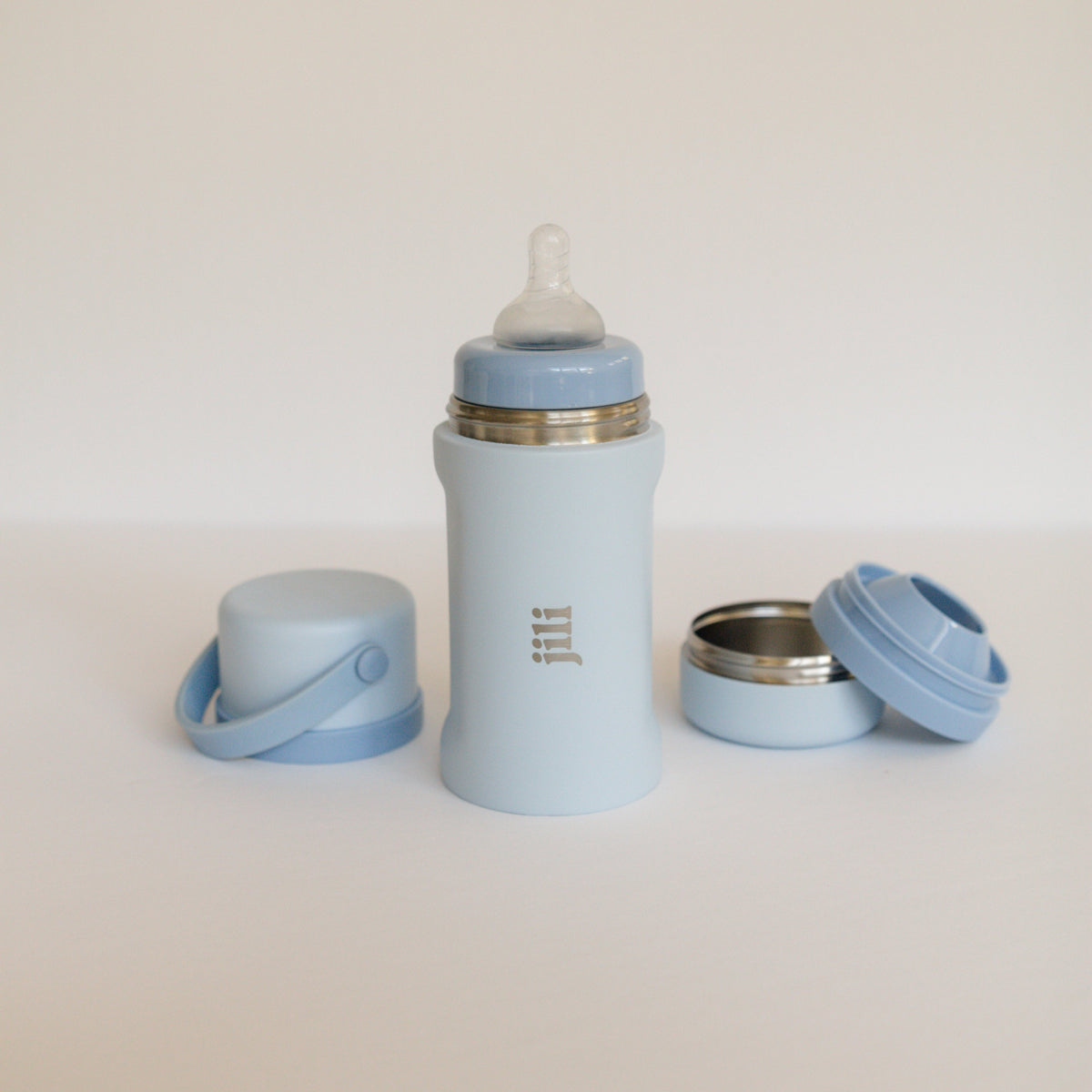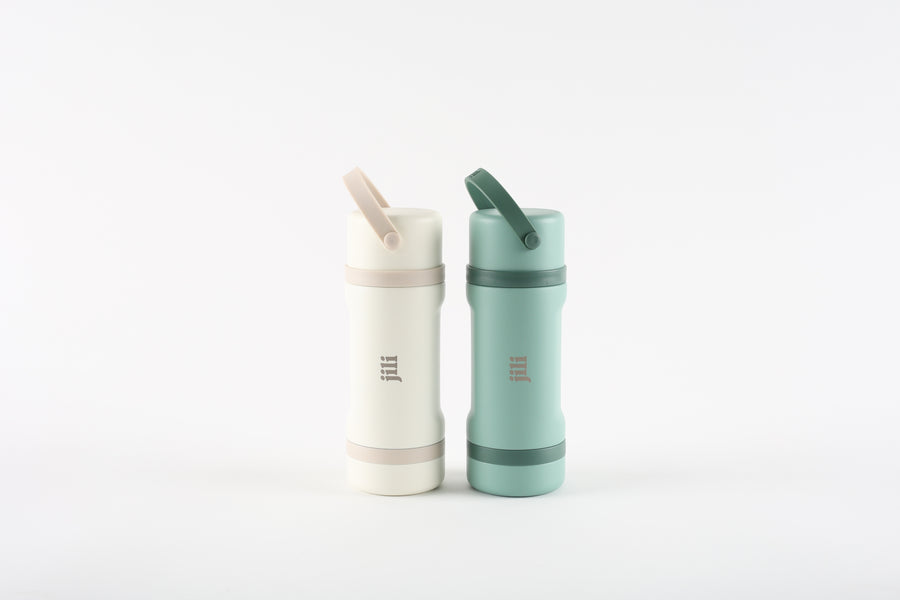
Why Health‑Conscious Moms Are Switching Away From Plastic Bottles

Rated 4.7/5 by moms and their babies

Premixed bottles go bad after 2 hours, and hot plastic sheds microplastics.1 Jili keeps formula dry in the base until your baby's hungry and hot water in stainless steel, so every bottle is mixed fresh.
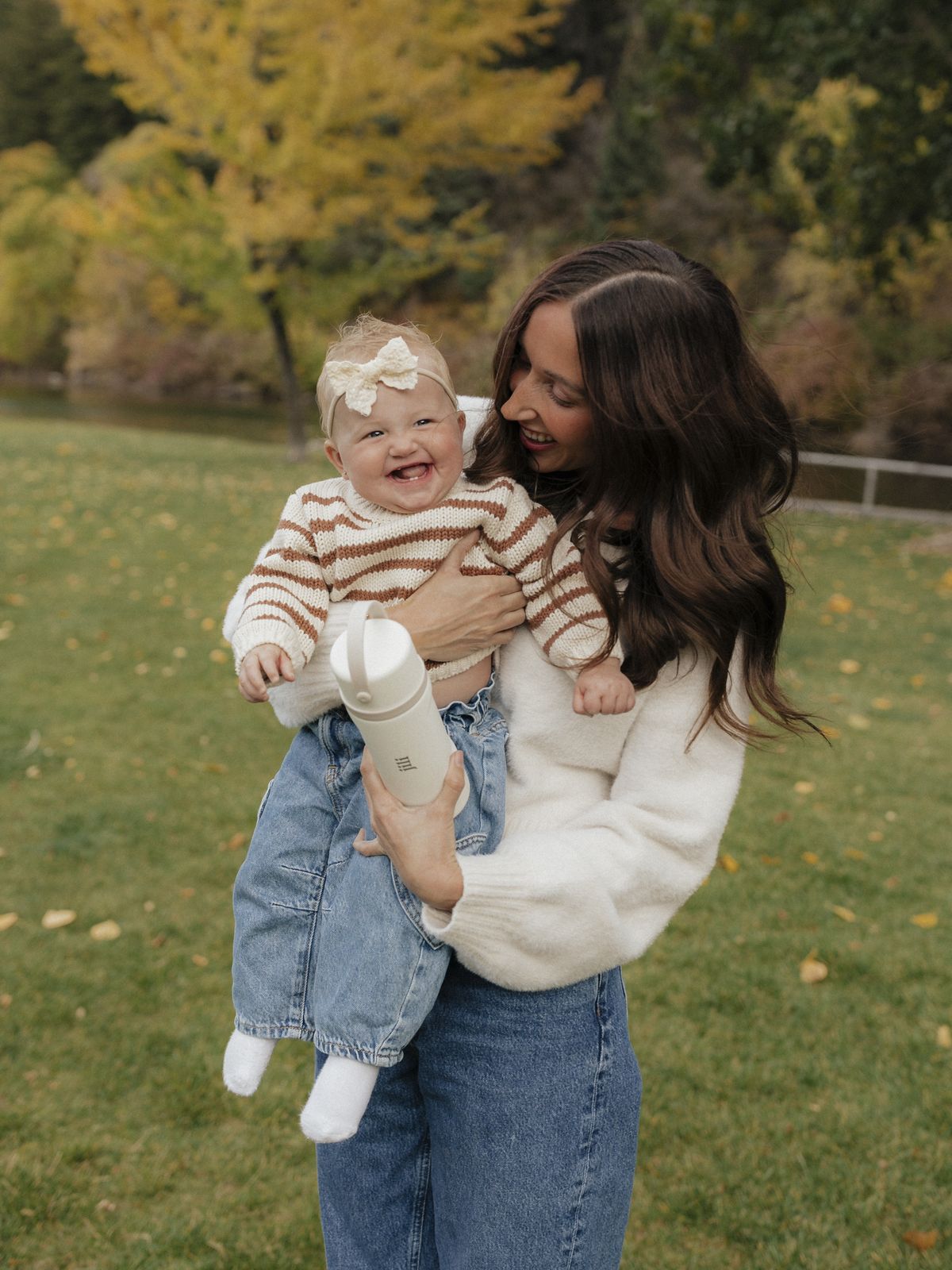
A mom laughing as she holds her baby girl in a bow outdoors, an Almond Jili Bottle at her side
  • No pre-mixing
  • Holds temperature for 8 hours
  • Nothing to microwave
  • Anti-colic nipple, 3 flows
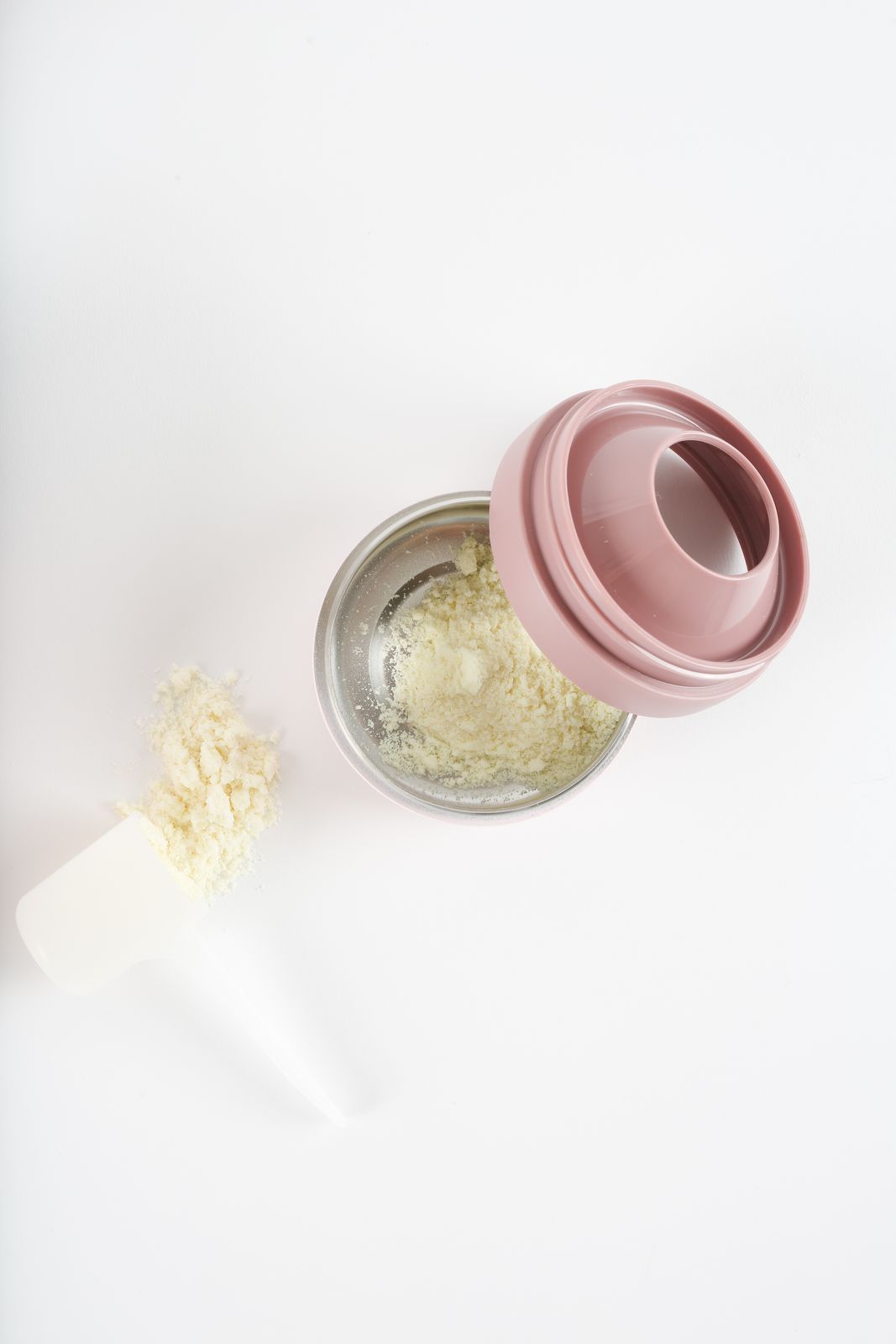
Overhead view of formula powder in the steel base of a Jili Bottle beside a scoop and a rose cap

Premixed bottles go bad after just 2 hours.

Jili keeps formula and water separate until you mix.

  • Premixing works at home. According to the CDC, a pitcher in the fridge is good for 24 hours.2
  • Out of the fridge, a mixed bottle is good for 2 hours, and 1 hour once your baby starts drinking.
  • Past that, mixed formula can spoil. And once your baby drinks from the bottle, saliva can make bacteria grow, so whatever's left gets thrown out.2
  • According to the World Health Organization, bacteria multiply fast in formula left out at room temperature. That raises the chance of an upset tummy: more spit-up and messier diapers.45
  • Jili keeps the formula dry in the base until your baby's hungry. Every bottle is mixed fresh, and nothing gets poured down the sink.

BPA-free doesn't mean microplastic-free.

Polypropylene is a common plastic for baby bottles, and it's BPA-free. That part is good news.

A study tested plastic baby bottles from brands that make up two-thirds of bottles sold worldwide. Filled with 158°F water, the temperature parents are told to use for formula, they shed millions of microplastic particles per liter, far more than with room-temperature water.1 Those particles stay in the formula after it cools, so your baby drinks them.

Researchers are still learning what microplastics mean for our bodies, and they're looking at possible links to heart health6 and fertility.7

So Jili holds the hot water in stainless steel, which has no plastic to shed.

Bottle that holds the water
18/8 stainless steel
Nipples
Food-grade silicone
Lid and funnel
TPE
16.2M

microplastic particles per liter from polypropylene bottles with 158°F water

Particles per liter released by polypropylene bottles, by water temperature.1
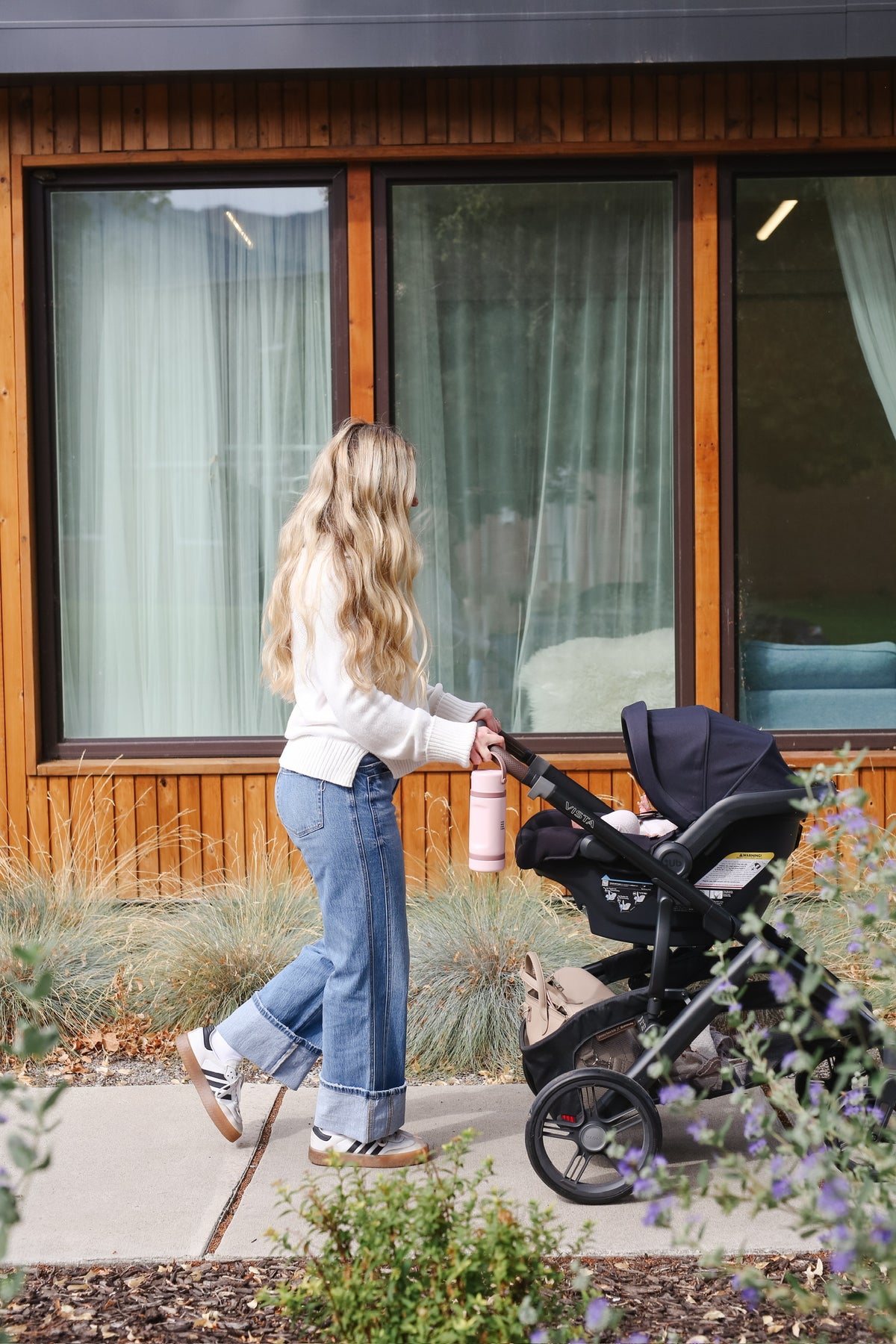
A mom pushing a stroller outside with a Jili Bottle

Plastic can't keep formula warm or cold.

  • Microwaves can leave hot spots that can burn a baby's mouth.2
  • And plastic bottles only stay cold in the fridge.
  • Jili keeps water warm for 8 hours or cold for 12+, so your baby gets formula at the temperature they love.
The Jili nipple and lid

Get the right flow for your baby.

  • Your "slow flow" nipple might not be slow. A 2016 study found nipple labels didn't reliably predict flow.3
  • Jili includes slow, medium and fast anti-colic nipples, so you can switch the day your baby's ready.
Fill, pack and go

Formula on the go has never been easier.

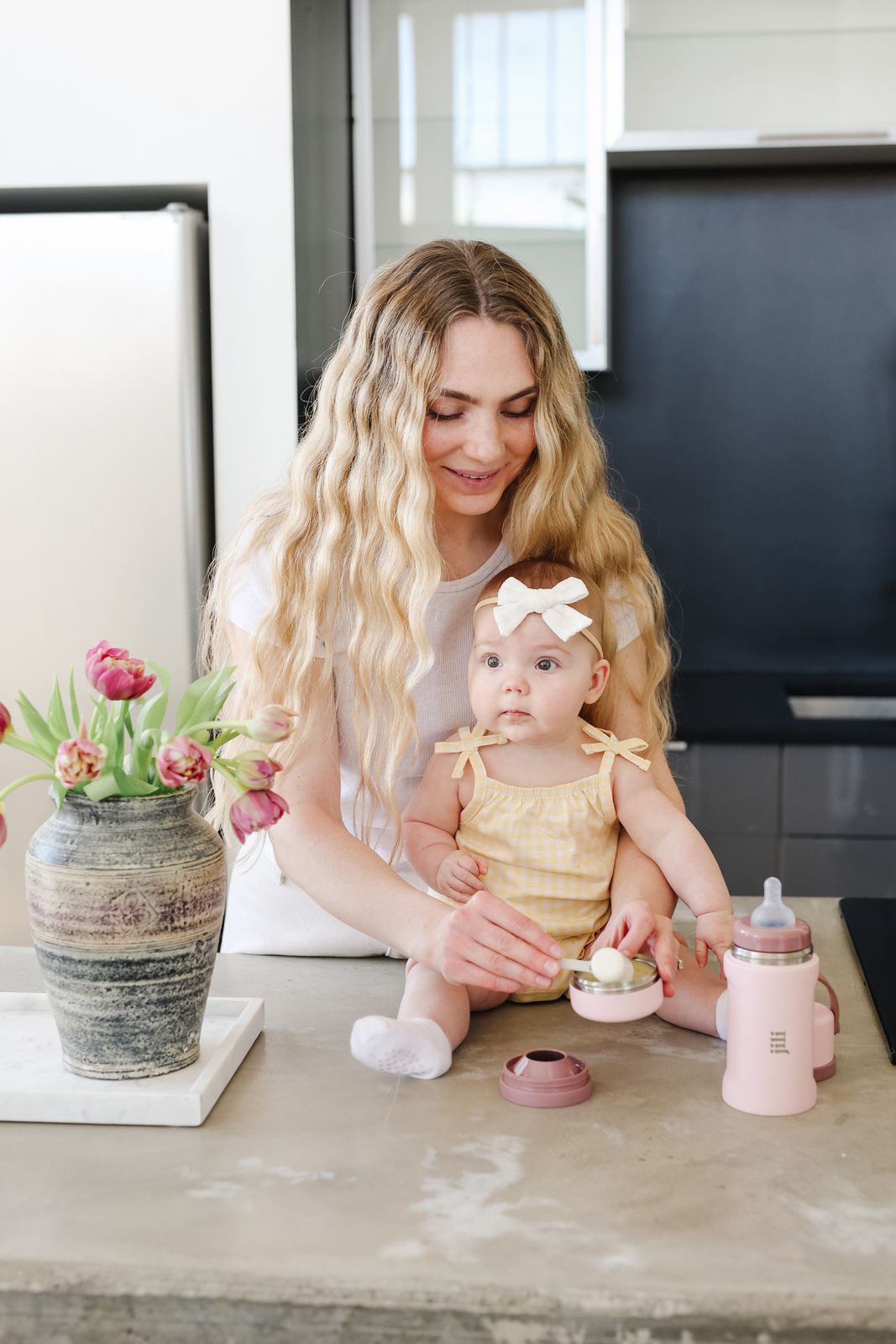
A smiling mom measuring formula into the base of a pink Jili Bottle while her baby in a bow sits on the kitchen counter

Fill it at home.

Pour hot water into the steel bottle and measure the formula into the base at home. Nothing's mixed yet, so nothing goes bad in the bag.
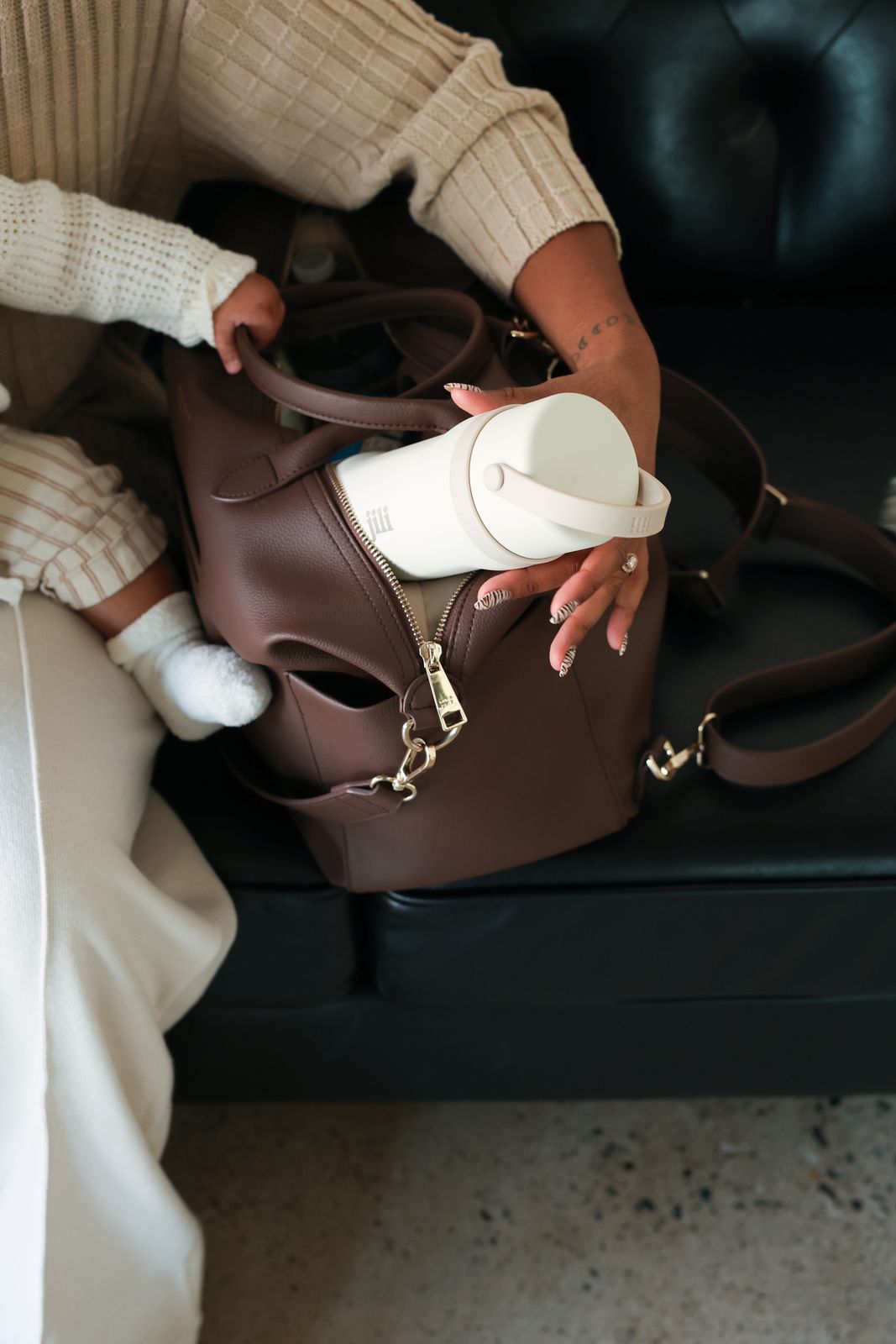
A hand slipping an Almond Jili Bottle into an open brown leather bag

Pack it.

Toss it in the diaper bag. The water stays warm for 8 hours, so a warm bottle is ready at the park or at grandma's.
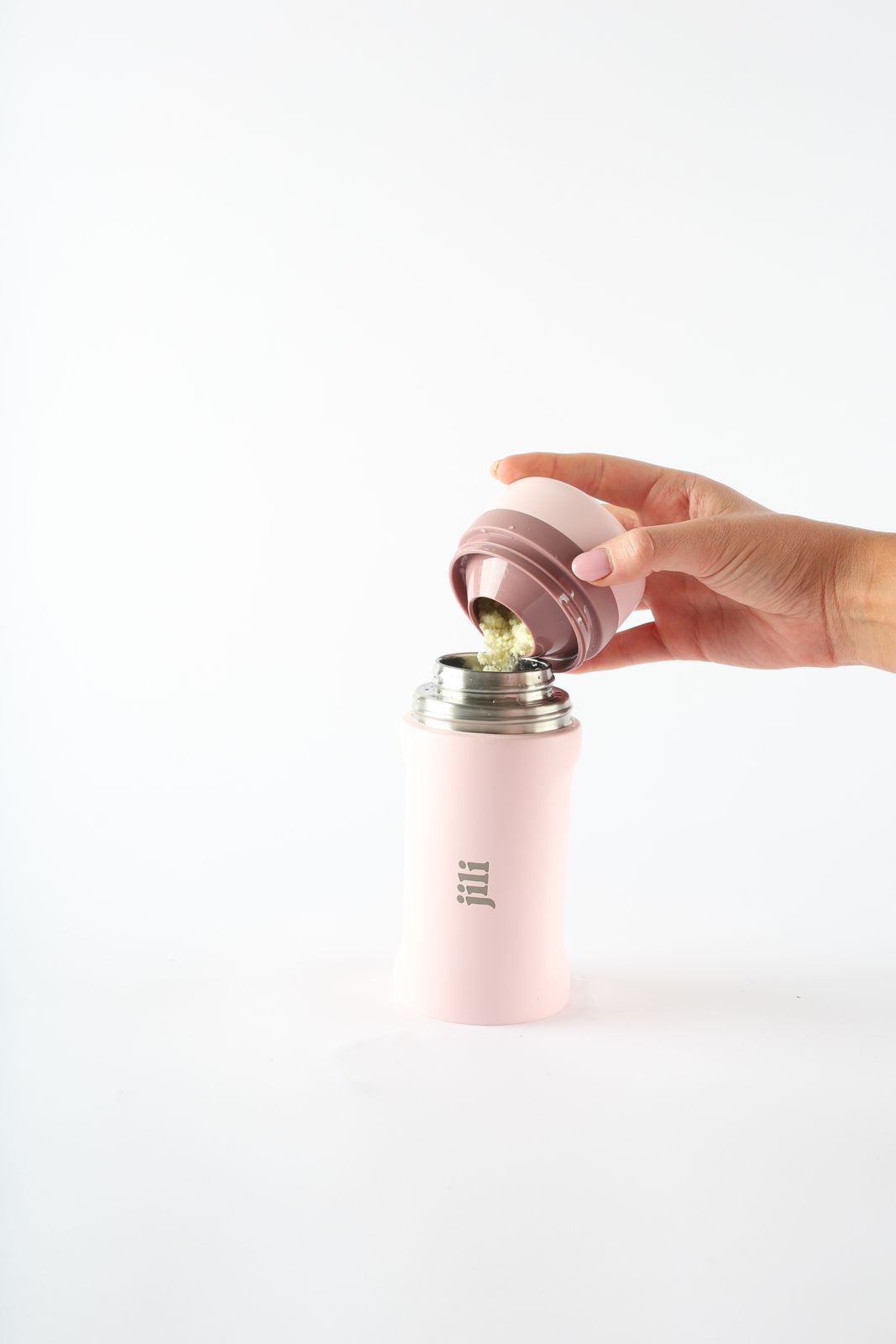
A hand tipping formula from the steel base into a rose Jili Bottle

Mix it when your baby's hungry.

Pour the formula in and shake. Your baby gets a fresh, warm bottle wherever you are.

Why health-conscious moms love Jili.

Rated 4.7/5 by moms and their babies

4.8182 reviews on jilibottle.com
4.5144 ratings on Amazon
"Feeding a baby has never been easier! I love how everything is together in one container and water can stay warm. And the bottle looks fantastic! We’ve already given this as gifts to people because we feel like it is a must have!"
Joel R.
"Such a perfect idea. My baby won't drink his bottle if it's not warm. This solves that when we are running errands."
Anonymous
"Quality/durable material! Nice color (bought the sage) and super easy to clean. Will be great to travel with on road trips and by plane. Definitely recommend!"
Anonymous
Read more from moms who use it every day

Why happy babies love Jili.

Write a review

Highest rated first, with the most detailed reviews at the top.

Testimonials from jilibottle.com. Ratings from jilibottle.com reviews and the Jili Amazon listing, October 2026.

One bottle is never enough.

Start with one for the diaper bag. Or go with the Duo, so a clean steel bottle is always ready.
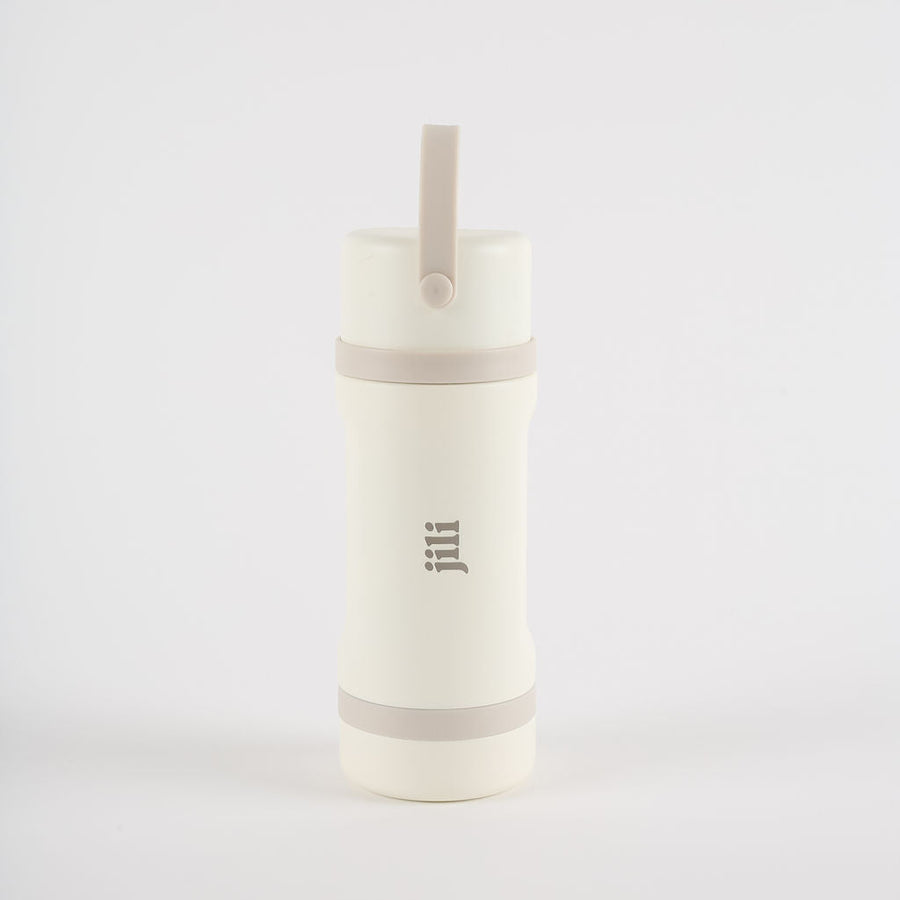
  • Returns within 30 days, unused
  • Arrived damaged? We'll make it right.

What parents ask before switching.

Does hot water sit in plastic?
No. The water sits in an 18/8 stainless steel bottle, so it's never held in heated plastic. Your baby drinks through a food-grade silicone nipple, and the lid and funnel are TPE.
Did the study test Jili?
No, and we want to be upfront about that. The 2020 study tested polypropylene bottles. Jili keeps the water in stainless steel, which that study didn't test.
Does formula need to be warm?
The CDC says it doesn't need to be.2 But if your baby only takes it warm, you already know how much that matters. Jili's water is already warm when you mix.
Will it grow with my baby?
When it's time for a cup, the Sip N' Snack Transition Kit turns the same bottle into a sippy cup and a snack cup.
  1. Li, D. et al. Microplastic release from the degradation of polypropylene feeding bottles during infant formula preparation. Nature Food, 2020. The study tested polypropylene baby bottles, not Jili. Scientists are still studying what microplastics mean for babies.
  2. Centers for Disease Control and Prevention. Infant Formula Preparation and Storage.
  3. Pados, B.F. et al. Milk flow rates from bottle nipples used after hospital discharge. MCN, The American Journal of Maternal/Child Nursing, 2016.
  4. NHS. How to make up baby formula (opens in a new tab). Accessed October 2026.
  5. World Health Organization and FAO. Safe preparation, storage and handling of powdered infant formula: guidelines (opens in a new tab). 2007. Accessed October 2026.
  6. Marfella, R. et al. Microplastics and nanoplastics in atheromas and cardiovascular events. New England Journal of Medicine, 2024. A study of adults with artery plaque found an association, not proof of cause. Accessed October 2026.
  7. Hu, C.J. et al. Microplastic presence in dog and human testis and its potential association with sperm count and weights of testis and epididymis. Toxicological Sciences, 2024. Microplastics were found in human testes; the link to sperm count was seen in dogs. Accessed October 2026.